Projection mapping is one of the most powerful ways to create memorable moments at corporate events, product launches, and experiential brand activations in the USA. It transforms almost any surface — buildings, stages, scenic elements, even products — into a dynamic, story-driven visual experience.
What Is Projection Mapping?
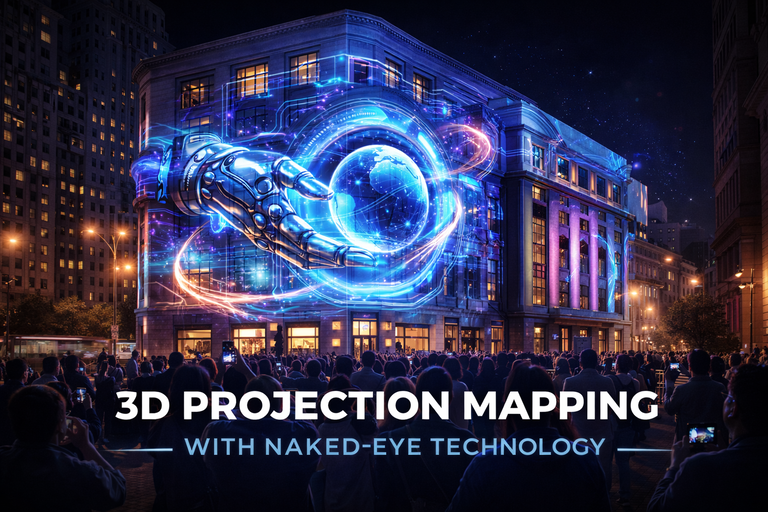
Projection mapping (sometimes called 3D projection mapping) is a technique that projects custom-designed visuals onto real-world surfaces so the content appears perfectly aligned and built into the physical environment. Unlike standard projection onto a flat screen, projection mapping uses the geometry of the surface and precise calibration to create immersive depth, perspective shifts, and illusions that feel physically integrated with the venue.
NewMedia produced the Beverly Hills Unwrap the Magic projection mapping show on City Hall for two consecutive holiday seasons — creating a city-defining brand moment that drew tens of thousands of viewers and generated significant earned media coverage. Our immersive event services include architectural projection mapping, stage mapping, product reveals, and full-environment immersive installations.
How Projection Mapping Works for Corporate Events
A successful projection mapping experience is part creative production and part technical execution. The process begins with a site survey and precise measurements of the projection surface. For complex architectural shapes, a 3D model of the surface is created to ensure pixel-perfect alignment. The creative team then develops the visual concept, storyboard, and content production — motion graphics, 3D animation, and brand assets designed specifically for the surface geometry.
On-site, the technical team installs and calibrates projectors, media servers, and playback systems, tests for brightness and distortion, and conducts full rehearsals with lighting, audio, and any live elements. Our production team manages the complete workflow from brief to strike.
Types of Projection Mapping for Events
Architectural and building projection mapping is ideal for outdoor brand moments, city-center activations, and major launches. Stage and scenic projection mapping creates multiple visual environments across the same stage for conferences, awards shows, and corporate keynotes. Product projection mapping projects visuals onto physical products to showcase features and transformations — particularly powerful for automotive, consumer tech, and luxury launches. Immersive environment mapping transforms rooms and experiential spaces into multi-sensory storytelling environments.
Projection Mapping Across the US
NewMedia deploys projection mapping productions in all major US markets. Our New Jersey production base provides efficient logistics for New York City events, convention center activations at the JAVITS Center and Javits, and corporate events throughout the Northeast. We also serve Miami for outdoor facade mapping and brand activations, and Los Angeles for entertainment industry and tech brand productions.
What Makes a Great Projection Mapping Show
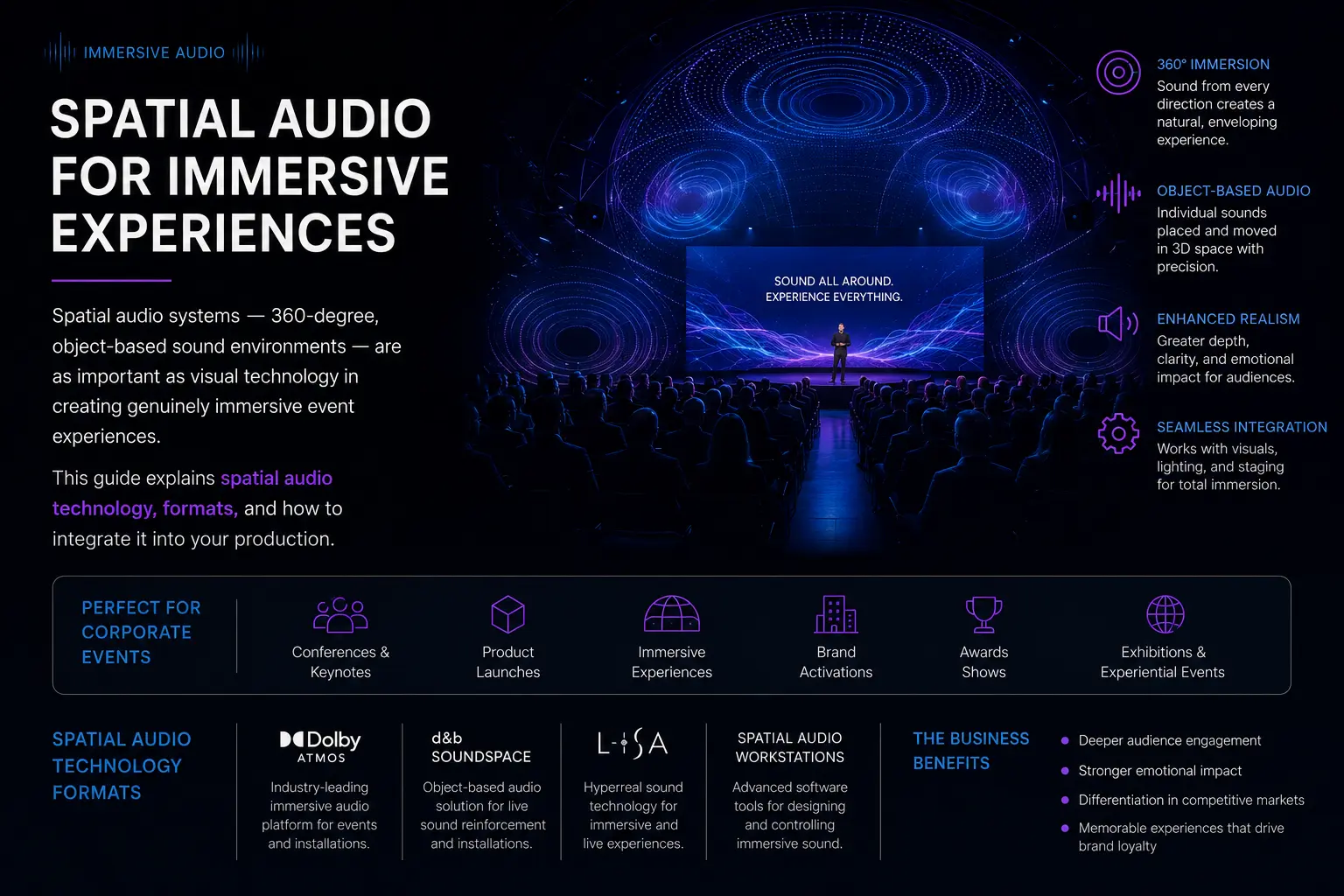
The best projection mapping shows use the architecture as a narrative protagonist, not merely as a screen. The building's history, function, or symbolic meaning becomes part of the story. Great building mapping shows create multiple distinct moments of surprise within a continuous narrative arc — and spatial audio systems that match the visual content are as important as the projection itself.
Projection Mapping Costs in the USA
Projection mapping budgets vary based on surface size and complexity, number and brightness of projectors required, content production scope, show length and cueing complexity, and venue logistics. Contact our US team at america@newmedia.events or +1 (856) 328-7542 for a detailed estimate based on your specific venue and event requirements.
Explore our portfolio of projection mapping projects or learn more about our 3D projection mapping services for US brand activations.